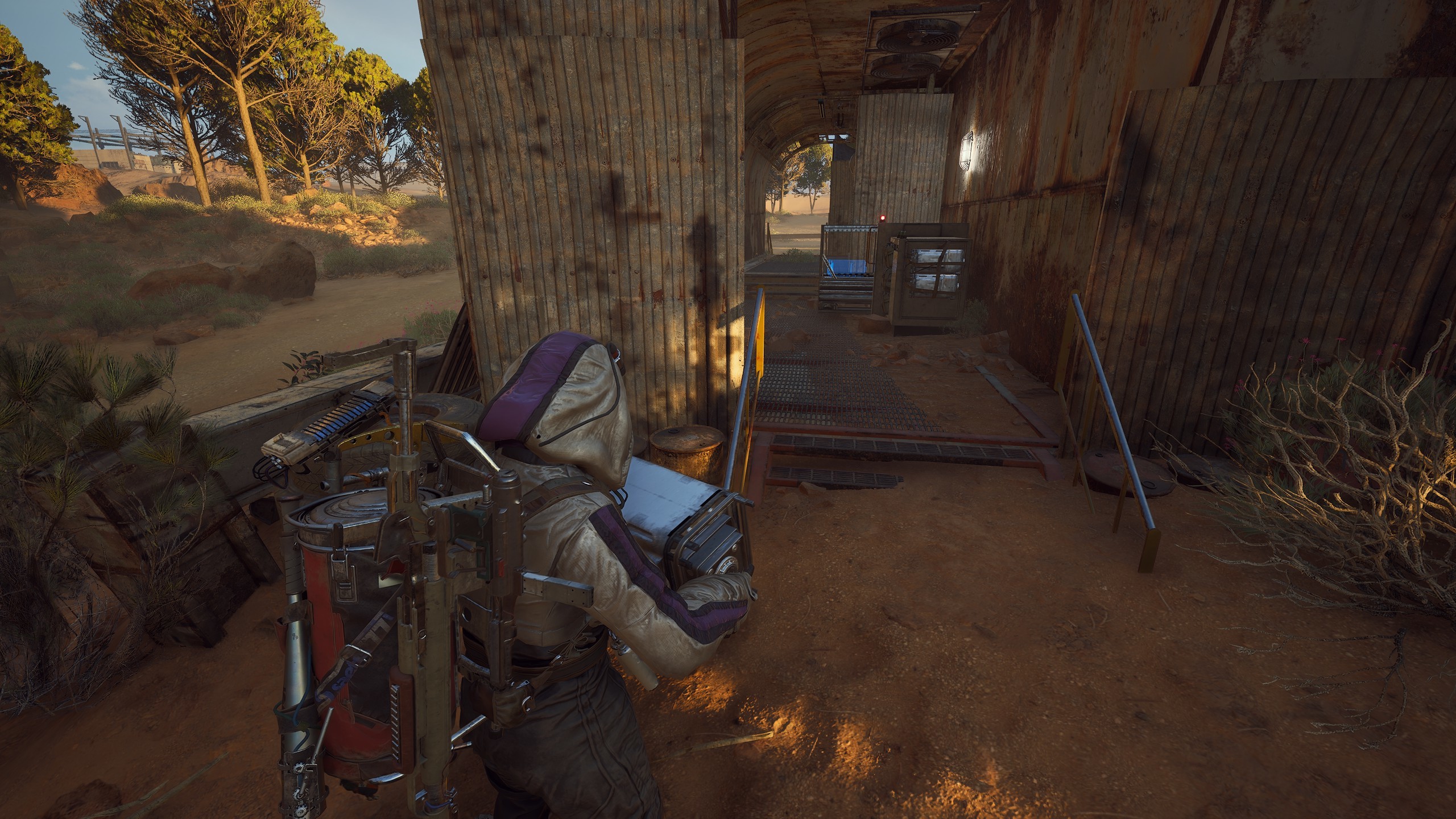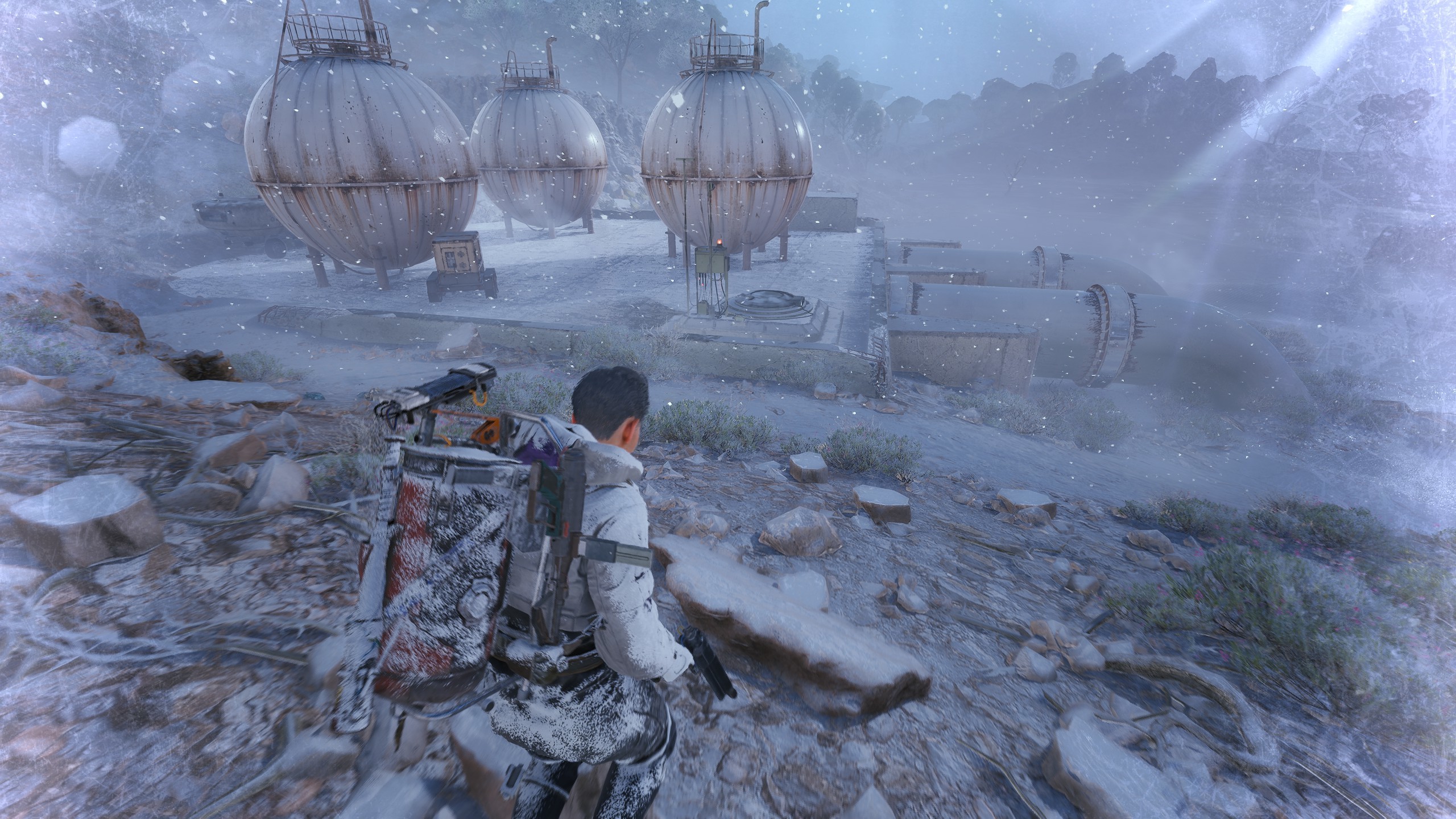
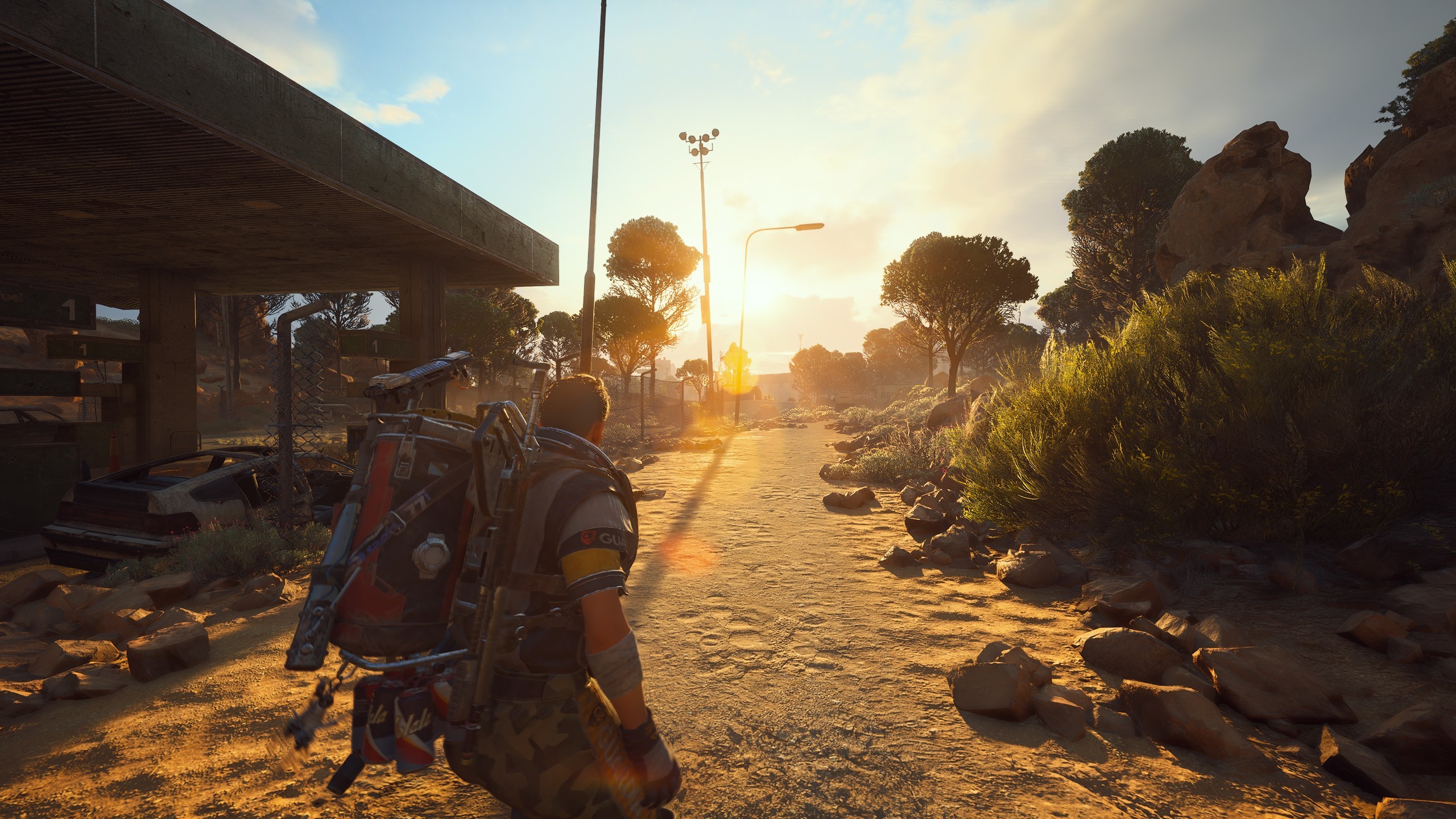
ARC patrol patterns in ARC Raiders follow predictable routes. Understanding patrol behavior enables avoidance or ambush. This guide teaches patrol route mastery for tactical advantage.

Patrol Type Classification
Recognizing patrol types enables appropriate response. The table below categorizes patrol patterns:
| Patrol Type | Unit Count | Route Type | Detection Range | Response |
|---|---|---|---|---|
| Scout Pair | 2 units | Fixed loop | Medium | Avoid or ambush |
| Standard Squad | 4-6 units | Point to point | High | Avoid primarily |
| Heavy Patrol | 6+ with heavy | Area sweep | Very High | Hide always |
| Alert Response | Variable | To alarm | Extreme | Disengage |
Route Observation Techniques
Learning patrol routes requires systematic observation. Safe vantage points reveal patterns. Timing between patrols measurable. Route deviations indicate alert status. Multiple observations confirm patterns. Note patrol pause points. Knowledge enables safe passage planning.
Timing and Windows
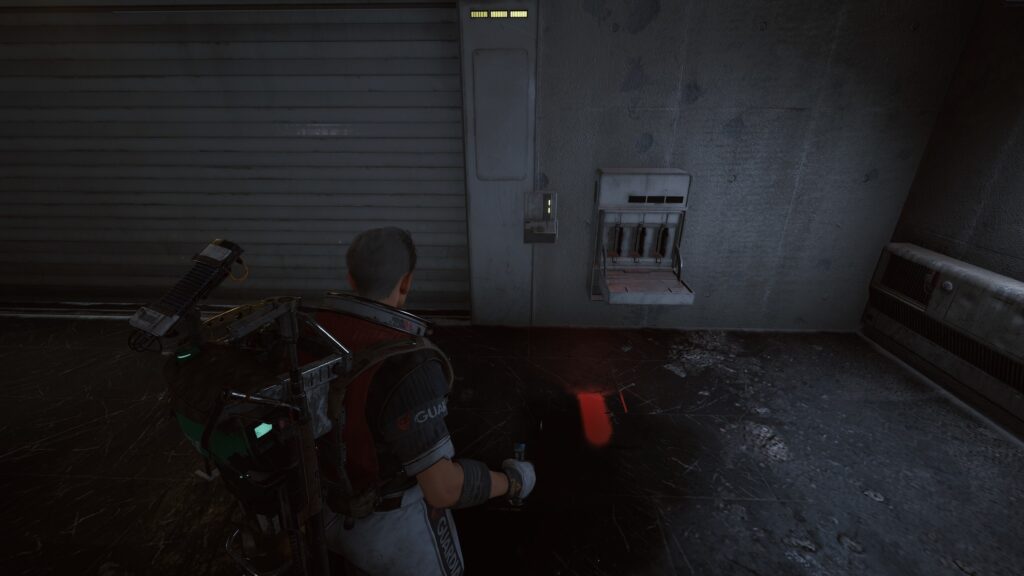
Patrol gaps create safe movement windows. Fixed routes have predictable timing. Wait for optimal passage moments. Rushing causes detection unnecessarily. Patience enables safe navigation. Timing improves with map knowledge. Window recognition becomes intuitive.
Engagement Decision Criteria
Not all patrols warrant engagement. Consider loot potential versus risk. Alert status affects reinforcement. Escape routes must exist. Ammunition cost versus gain. Stealth compromise evaluation. Smart fighters pick battles carefully.
Ambush Setup on Patrols
When engagement chosen, ambush maximizes success. Position ahead of patrol route. First elimination silent if possible. Quick succession prevents alerts. Loot and relocate immediately. Residual patrols may investigate. Clean ambush leaves no traces.
Hide Techniques
Effective hiding defeats patrol detection. Cover breaks line of sight completely. Shadows reduce visual detection. Sound discipline during passage. Hold position until clear confirmed. Patience prevents compromised hides. Hiding wins more than fighting.
Alert State Changes
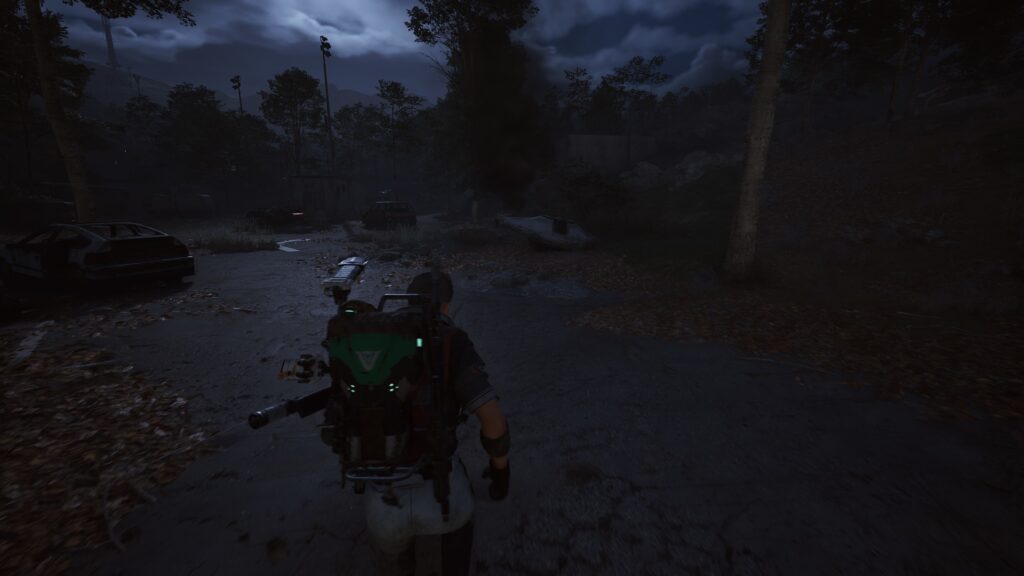
Patrols modify behavior when alerted. Routes become unpredictable. Detection ranges increase. Reinforcement calls accelerate. Caution levels heighten. Return to normal takes time. Avoid alerting when possible.